How to Actually Pick the Right Cabinet Installer
Are you about to invest in new kitchen cabinetry but worried about hiring the wrong person? Do you know what actually separates a skilled cabinet installer from someone who just claims they can do the job?
You’ll learn how to pick a kitchen cabinet installer by evaluating experience, quality, process, and value so you can avoid costly mistakes.
By the end, you’ll have a clearer sense of how to hire the right cabinet installer and feel confident moving forward with your project.
How to Choose the Right Kitchen Cabinet Installer
- Define your project scope, style, and budget first so you can filter out installers who don’t match your needs.
- Choose installers with cabinet-specific experience, especially for detailed work like trim, modifications, and custom layouts.
- Review portfolios and past projects to confirm consistent quality and alignment with your style and project scope.
- Check reviews, referrals, and references to validate reliability, communication, and overall client satisfaction.
- Evaluate materials and craftsmanship standards to ensure durability, proper construction methods, and long-term performance.
- Visit showrooms or view work in person to assess finishes, features, and real-world installation quality.
- Understand the team, process, and installation approach to ensure clear coordination from design through completion.
- Clearly define the scope of work so you know exactly what’s included (installation only vs. full project coordination).
- Get detailed written estimates and compare value—not just price to avoid missing scope or hidden costs.
- Prioritize clear communication, contracts, and transparency to prevent delays, confusion, or budget overruns.
- Confirm warranties and post-installation support to protect your investment after the project is complete.
- Choose the installer that feels right and aligns with your expectations, not just the lowest bid.
Define Your Project Scope, Style, and Budget
Before you even think about hiring a cabinet installer, you need to get clear on your own project. Without this step, you’ll end up comparing the wrong companies and wasting time talking to contractors who aren’t a fit. This is where most homeowners go wrong—they jump straight into hiring instead of planning.
Start by defining what your kitchen renovation actually involves.
Are you updating just your kitchen cabinets, or are you doing a full kitchen remodeling project that includes flooring, appliances, and layout changes? The scope of your project determines the level of expertise you need and whether you should be talking to local installers or a full-service company.
Next, think about the type of cabinets you want.
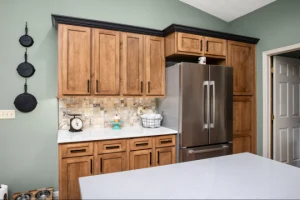
Custom cabinetry requires a much higher level of craftsmanship and precision than standard cabinets. If you’re working with custom cabinet makers, your installer must have experience handling detailed work like panels, crown molding, and high-end finishes.
Custom vs. semi-custom cabinetry.
Finally, set a realistic budget.
Cabinets alone often account for 40–50% of total kitchen remodeling costs. If your expectations don’t match your budget, you’ll struggle to find a reputable installer who can deliver the quality you expect.
Choose an Installer With the Right Experience
Not every contractor is a cabinet installer, and that difference matters more than you think. Cabinet installation is precision work that requires skill, planning, and attention to detail. A general contractor might be able to handle basic installs, but high-end kitchens demand a different level of expertise.
Cabinet-Specific Expertise
A skilled cabinet installer understands how to work with walls that aren’t perfectly straight, how to align doors and hardware, and how to ensure everything is level and secure.
This is especially important when installing custom cabinetry, where even small mistakes can ruin the final look.
Details like crown molding, trim, and seamless panel alignment are where the installer’s ability really shows. These are not beginner-level tasks, and they’re often what separates average work from professional craftsmanship.
Relevant Project Experience
You should always look for installers who have completed projects similar to yours.
If you’re building a modern kitchen with custom cabinets, don’t hire someone whose experience is mostly job-based on basic installs.
In areas like Davenport, where homes range from historic properties to newer builds, experienced installers understand how different structures affect installation.
That kind of local knowledge can make all the difference in how smoothly your project goes.
Riverbend Kitchens provides custom cabinetry with precise sizing, premium materials, and installation-aware design decisions, ensuring every cabinet is built to fit the space accurately and function properly, though we don’t offer cabinet installation as a standalone service.
Verify Quality Through Past Work and Reputation
Anyone can say they do quality work, but proof is what matters. This is where you separate marketing from reality.
A reputable installer should have no problem showing you exactly what they’ve done.
Portfolio and Past Projects
A strong portfolio should show consistent quality across multiple projects.
Look closely at how cabinets align, how doors close, and how clean the finishes look. Poor craftsmanship often shows up in small details, so don’t just glance—inspect.
If possible, ask to see a completed project in person.
Photos can hide flaws, but real-life work reveals everything.
Reviews and Referrals
Online reviews are one of the easiest ways to evaluate an installer’s professionalism.
Check platforms like Google and look for patterns in feedback. Are clients mentioning delays, poor communication, or unexpected costs?
Also, ask for references.
Talking to past homeowners gives you insight into what the installation process actually feels like.
Evaluate Materials and Craftsmanship
Cabinet installation isn’t just about putting pieces together—it’s about working with quality materials and ensuring they’re built to last.
If the materials are poor, even the best installer can only do so much.
Start by asking what the cabinets are made from- solid wood and high-quality plywood typically outperform cheaper alternatives.
Then look at construction features like dovetail joints, soft-close hardware, and full-extension slides.
Finish quality also matters. Hand-applied, catalyzed, or UV-cured finishes tend to hold up better over time.
These details directly impact how your kitchen cabinetry looks and performs years down the line.
If you’re investing in custom cabinets, you should expect high standards across the board—from materials to installation.
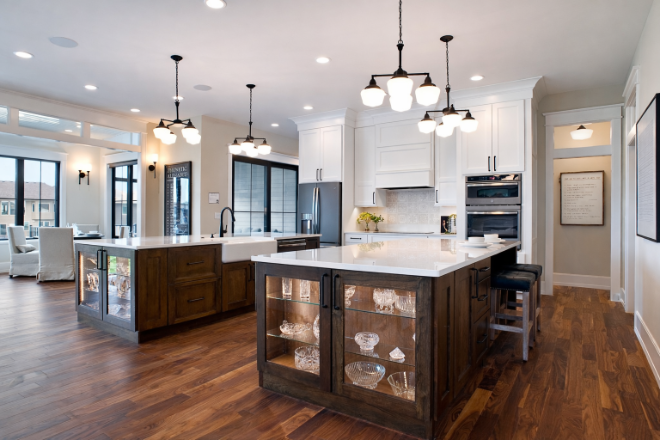
A custom cabinetry project we did in Bettendorf.
See the Work in Person
There’s a huge difference between seeing cabinets online and experiencing them in real life. A showroom visit gives you a better understanding of quality, functionality, and design than any photo ever could.
Showrooms and Displays
Walking through a showroom allows you to see full kitchen layouts, test cabinet doors, and evaluate finishes up close.
You can compare styles, materials, and hardware in a way that helps you refine your vision.
Hands-On Evaluation
You can open drawers, feel the weight of the materials, and see how lighting interacts with different finishes. These details help you understand what to expect in your own space.
For example, visiting a showroom near Coal Valley can give you access to real displays that show how different cabinet styles perform in functional kitchens.
Riverbend Kitchens provides custom cabinetry through a structured selection process, offering high-quality cabinet lines with expanded finishes, precise sizing, and long-term durability. Check out our showroom page!
Understand the Process and Team
A smooth installation doesn’t happen by accident—it comes from a well-organized process and a team that knows how to execute it.
This is where professionalism really shows.
A good company will walk you through its installation process from start to finish. You should know who is responsible for design, delivery, installation, and communication.
If this isn’t clear, expect confusion once the project begins.
You should also understand how scheduling works. Cabinet installation often depends on other parts of the project, like flooring or appliance placement.
A strong team coordinates everything to keep the project on track.
Riverbend Kitchens uses a structured, step-by-step process that includes consultation, material selection, and detailed planning.
Clarify Scope, Pricing, and Value
This is where many homeowners run into problems. If the scope of work isn’t clearly defined, you’ll end up dealing with unexpected costs and delays.
Scope of Work
Make sure you know exactly what the installer is responsible for. Are they only installing cabinets, or are they handling additional work like modifications to walls or adjustments to the layout?
Riverbend Kitchens can do full kitchen remodels, kitchen design, cabinet refacing, and custom cabinets, but we don’t do cabinet-only installation.
Estimates and Value Comparison
Always get a detailed, written estimate.
It should include labor, materials, and any additional costs tied to the job.
When comparing estimates, don’t just look at price. Look at what’s included.
One company might appear cheaper, but exclude key elements like finishing or hardware.
Communication, Contracts, and Warranty
Strong communication is one of the biggest indicators of a professional installer.
If communication is unclear before the job starts, it won’t improve once work begins.
A written contract is essential. It should clearly outline scope, costs, schedule, and expectations. This protects both you and the installer and prevents disputes later.
You should also ask about warranty coverage. A reputable installer stands behind their work and offers support after installation is complete.
Without this, you’re taking on unnecessary risk.
Choose the Right Fit
At the end of the day, choosing a cabinet installer isn’t just about qualifications—it’s about trust.
You need to feel confident in the person or company handling your project.
Pay attention to how they communicate, how they answer questions, and how transparent they are about the process.
If something feels off, it usually is.
Your kitchen cabinets will define how your space looks and functions for years. Choosing the right installer ensures that the investment pays off, both in quality and in peace of mind.
Cabinets Designed for Your Space by Riverbend Kitchens
Choosing the right cabinet installer isn’t about finding someone to simply install cabinets—it’s about choosing a process that protects your entire kitchen remodeling project from mistakes.
Riverbend Kitchens delivers complete kitchen transformations with structured planning, premium cabinetry, and coordinated execution, helping you avoid the risks that come with hiring install-only contractors.
If you’re ready to move forward with a kitchen renovation that’s built around clarity, quality, and long-term performance, take the next step.
Fill out our contact form today or give us a call.